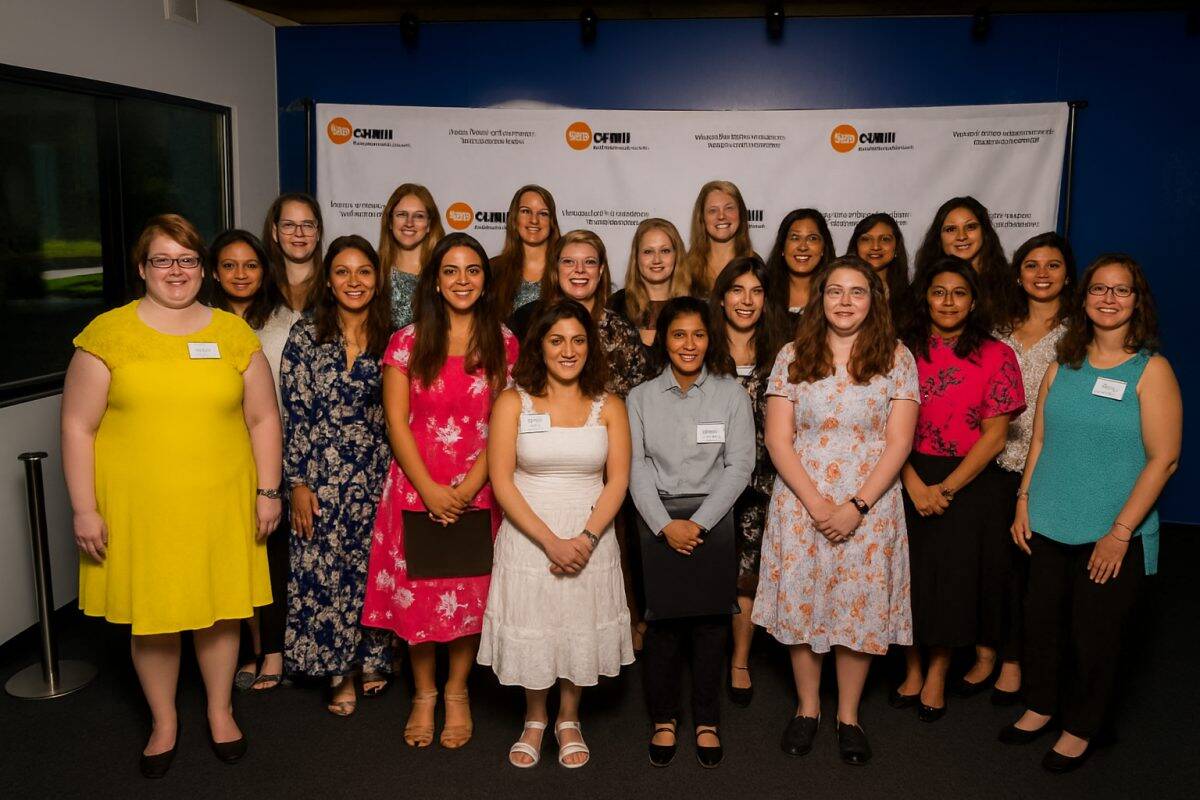
Somewhere between a dead Flickr pool and an expired Instagram story, the visual history of women in New Zealand tech is going missing. Not because nobody took the photos — they did, at every Barcamp and meetup and awkward networking event above a Wellington pub — but because the platforms those photos lived on were never built to be archives. The stock photo version of women in tech is easy to find. The real one takes more effort, and it matters more than most community groups realise.
When the Camera Was the Proof
The Flickr Groups That Were Actually Archives
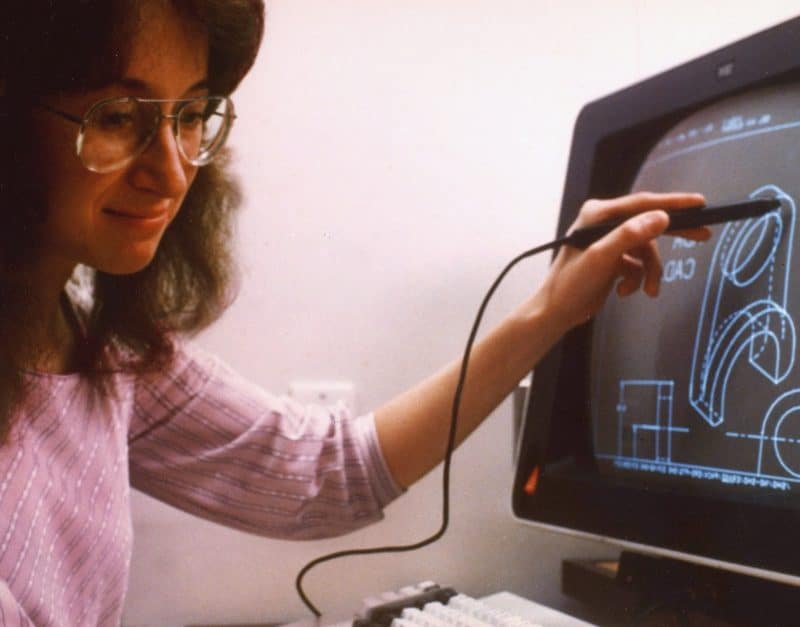
There was a time when the photos from a Wellington Barcamp or a Python user group meetup above a Courtenay Place pub would end up in a Flickr pool. Tagged, dated, grouped by event. Nobody called them archives — they were just where the photos went. Somebody with a DSLR and an eye for candid shots would upload sixty photos from a Tuesday evening meetup, and they would sit there alongside a hundred other sets from a hundred other events, forming a searchable, browsable record of who showed up and what they talked about.
The NZ tech community in the late 2000s ran on this kind of accidental infrastructure. Webstock side events, early Code Camp sessions, the original Gather workshops — all documented in the same unselfconscious way. Blurry whiteboard shots. Someone mid-sentence with a slide behind them that has not aged well. Lanyards that looked identical because nobody had discovered branded swag yet. These photos were unglamorous and useful, and nobody thought about what would happen when the platform they lived on stopped being the place anyone checked.
Who Showed Up and Who Got Photographed
Look through those old Flickr pools and you will notice a pattern. The keynote speaker: photographed. The MC: photographed. The group at the front table who asked the loudest questions: photographed. The three women who came together because they had heard about the meetup through a mailing list and were not sure if they would come back: background. Maybe an audience shot where you can spot them if you know what you are looking for.
The camera defaulted to the person at the podium, and the person at the podium was overwhelmingly male. This was not a conspiracy — it was a feedback loop. Photographers shot what looked like the event, and the event looked like whoever was standing up talking. Women who attended as participants, as co-organisers, as the person who booked the room and ordered the pizza, vanished from the visual record. The result was a photo archive that made the NZ tech community look about 90 percent male, which was never true but became the story the pictures told. And when the next cohort of CS students went looking for what the industry looked like, the photos confirmed what they already feared.
The Stock Photo Problem
Corporate marketing departments discovered the women-in-tech narrative around 2015 and responded with stock photography. You know the images: a racially diverse group of young professionals gathered around a standing desk, smiling at a MacBook like it just told a joke. A woman in a blazer writing on a glass wall with a dry-erase marker that definitely does not work on glass. Two colleagues high-fiving over a codebase that appears to consist entirely of green text on a black screen.
Nobody believes these photos. They exist in the uncanny valley between aspiration and reality — close enough to make a corporate diversity report look credible, far enough from actual tech workplaces to be instantly recognisable as fiction. The problem is not that stock photos are bad photographs. It is that they replaced a documentation gap with a manufactured image and called it representation. A company that buys a stock photo of a diverse team for its careers page has not documented anything. It has decorated a gap. Meanwhile, the actual women at the actual meetups in actual Auckland and Wellington went on being photographed mostly by accident.
The Platform Migration Nobody Voted On
From Albums to Stories
Flickr understood albums. You could create a group, set a title, add a date, tag locations, and anyone in the group could contribute. Six months later, you could search for that event and find every photo from every angle. The structure was clunky and the interface aged badly, but the principle was sound: photos belonged in a place and stayed there.
Instagram replaced this with the feed — a stream optimised for what you want to see right now, not what you might want to find next year. Event photos from a Wellington meetup went from being a findable, browsable collection to being a series of individual posts scattered across twenty accounts, interleaved with brunch shots and sunset photos and ads for products nobody asked about. The reach was better. A single Instagram post from a women-in-tech event could get more eyeballs in 24 hours than a Flickr album got in a year. But the trade-off was permanence for velocity. Instagram made community documentation visible and disposable at the same time.
Algorithms Do Not Care About Your Community Record
Try finding event photos from a NZ women-in-tech meetup that happened eighteen months ago on Instagram. You will scroll through an account until your thumb cramps, or you will search a hashtag and get results from twelve countries mixed together with no way to filter by date or location. The platform was not built for retrieval. It was built for discovery, which is a different thing entirely.
This creates a practical problem that goes beyond nostalgia. When a community group applies for funding, the funder wants evidence of activity. When a sponsor considers supporting an event series, they want to see what previous events looked like. When a journalist writes about the growth of women-in-tech communities in New Zealand, they need photos that are not stock images. And when a woman in Christchurch searches for proof that there are people like her in the local tech scene, the algorithmic feed is not going to surface a two-year-old photo from a meetup she has never heard of. The visual record exists — scattered, unsearchable, algorithmically buried.
Documentation as Advocacy

Visibility Is Not Vanity
Photographing an event is not content creation. Or rather, it is, but reducing it to that misses the point. When a women-in-tech community documents its events with care, it produces something more than social media posts. It produces evidence. Evidence that these gatherings happen, that people attend, that the community is real and active and growing.
That evidence does work. A portfolio of well-documented events turns a funding application from a proposal into a track record. It gives media outlets something to publish that is not a stock photo or a headshot pulled from LinkedIn. It gives potential attendees a reason to believe the next event will be worth showing up to. And it creates a visual counterweight to the default imagery of the tech industry, which still leans heavily toward hoodies, ping pong tables, and rooms full of men staring at monitors. For communities that are structurally underrepresented, documentation is not an afterthought. It is infrastructure.
The Photographer Question
Most event photography at tech meetups falls to whoever happens to have a decent phone and a willingness to wander around during the talks. This produces a predictable result: photos of the speaker from three slightly different angles, a wide shot of the room, and a group photo at the end where everyone looks like they have been told to smile but not why.
Intentional documentation starts with a brief. Some NZ women-in-tech groups have started treating event photography as a role, not a favour. They assign a community member or brief a photographer before the event with a shot list: capture the speakers, yes, but also the Q&A, the side conversations, the first-timers introducing themselves, the moment someone writes a URL on someone else is hand because they are going to collaborate on something next week. Who holds the camera shapes the archive. A photographer who understands the community will notice and capture moments that an outsider with a telephoto lens will walk straight past.
Beyond the Podium Shot
The keynote photo is fine. Every event needs one. But the photos that actually tell the story of a women-in-tech community are the ones taken between the scheduled bits. The two developers comparing approaches on a shared screen during a break. The mentor and the career-changer sitting together with a laptop and two coffees, deep in a conversation that will probably change the trajectory of somebody is next six months. The cluster of Dev Academy graduates meeting a hiring manager who will remember their names because she met them in person rather than reading their CVs on a screen.
These moments are where community actually happens, and they are the hardest to photograph because they look unremarkable from the outside. A photo of two people talking at a table is not dramatic. It does not have the visual punch of a speaker on a stage with a branded backdrop. But it is the image that makes someone think: that could be me. That is the conversion that matters — not engagement metrics but the quiet recognition that there is a place in this industry where you might actually belong.
Building an Archive That Outlasts the Platform
Own Your Photos, Own Your Story
The lesson from the Flickr-to-Instagram migration is straightforward: if your community archive lives on someone else is platform, your community archive lives on borrowed time. Flickr did not die, but it stopped being where people looked. Instagram is ascendant now, but the groups relying on it for documentation are making the same bet Flickr users made in 2010.
Platform independence is not complicated. A shared folder — Google Drive, Dropbox, a NAS in someone is home office — gives the community a primary archive that exists regardless of which social platform is in fashion. A dedicated gallery on the community is own website is even better. The photos can still go on Instagram for reach, but the originals live somewhere the community controls. Under the Privacy Act 2020, event photographers in New Zealand also need to consider consent, particularly for photos that identify individuals. A simple sign at registration noting that the event will be photographed, with an opt-out option, covers the legal ground without making it feel like a compliance exercise.
Five Years From Now, What Will We Wish We Had Kept
She Sharp has been running events in Auckland for years. Summer of Tech connects students with employers every year across the country. NZ Girl Geek Dinners has chapters that have been meeting since the early 2010s. Code Club Aotearoa is building the next generation. These communities are doing real, sustained work — and the documentation of that work is patchy at best.
Five years from now, someone will want to write the history of women in New Zealand tech. They will want photos from the events that built these networks, quotes from the speakers who shaped the conversation, a visual record that shows how a scattered collection of meetup groups became a movement. If that record consists of broken Flickr links and expired Instagram stories, the default narrative fills the gap: stock photos, corporate press releases, and the implication that women in NZ tech were an initiative rather than a community. The camera you point at your next event is not just producing content for next week is social post. It is building the archive that proves you were here.
The next time someone pulls out a phone at a women-in-tech event, they are making an editorial decision whether they know it or not. What gets photographed gets remembered, and what gets archived stays findable. The communities building New Zealand is tech future deserve a visual record that was made on purpose — not scraped from an algorithm, not purchased from a stock library, but documented by the people who were actually in the room.