
Wellington Girl Geek Dinners did not start with a launch event or a mission statement. It started with the same eight women running into each other at every tech meetup in the city and eventually admitting that was not a coincidence. The chapter that grew from those encounters — part dinner party, part professional network, part quiet rebellion against being outnumbered — shaped connections across Wellington tech that outlasted any single event. This is how it happened.
Before There Was a Name For It
The Meetups That Were Not Really Meetups
There was no calendar invite. No Eventbrite page. Sometime around 2008, the pattern just became obvious — the same seven or eight women kept turning up at the same Wellington tech events, gravitating toward each other with the relief of people who had been holding their breath all day. You would spot someone at a SilverStripe meetup on Willis Street, then again at a Web Standards Group talk at Te Papa, then again in the replies of a thread on the NZ Open Source Society mailing list.
Friday drinks at a bar on Courtenay Place would turn into three-hour conversations about deployment pipelines and the particular frustration of being talked over in standups. Nobody organised these encounters. Wellington just kept putting the same women in the same rooms, and eventually they stopped pretending that was a coincidence.
Someone Said We Should Do This Properly
The shift from informal to intentional happened the way most good ideas do — someone got fed up with waiting for it to happen on its own. A handful of the Wellington regulars had been following the Girl Geek Dinners movement since Sarah Lamb kicked it off in London in 2005. The concept was almost absurdly simple: dinners where women in tech were the majority, with a speaker and a meal and none of the performative networking that made most industry events unbearable.
By the time the Wellington crew decided to run their own chapter, the global movement had spread to dozens of cities. The appeal was not the brand. It was the structure. Putting a name on the gatherings meant they did not evaporate when one person got busy. It meant a new developer who had just moved to Wellington could search for “women tech Wellington” and find something real. It meant showing up was a decision, not an accident.
Wellington Was Small Enough to Try
Wellington in the late 2000s had a tech scene you could map on a napkin. Most of the companies doing serious software work were clustered between the Terrace and Lambton Quay, with a scattering of startups in converted Cuba Street buildings and government IT teams in Thorndon. At any given meetup, you recognised half the room.
That density was a gift and a problem. It made organising easy — you could fill an event with a few emails and a couple of Tweets. But it also made the gender imbalance — well documented in workforce data — impossible to ignore. When there are two hundred people in your city doing the kind of work you do and you can count the women without running out of fingers, the gap is not a statistic. It is the empty chair next to you at every talk, the assumption in every introduction that you are the project manager and not the engineer. Wellington was small enough that pretending the problem did not exist required actual effort.
What the First Dinners Actually Looked Like
A Table, a Speaker, and Too Much Wine
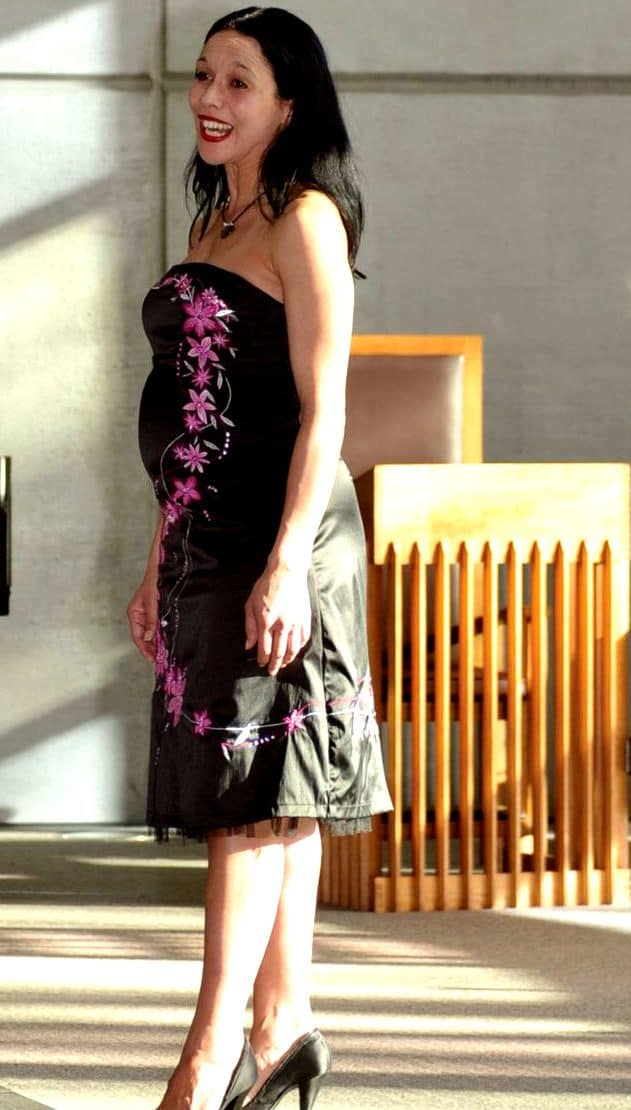
The format was deliberately low-key. A cafe with a function area, or the back room of a bar on Allen Street, or occasionally someone convinced a co-working space on Victoria Street to donate their event room for the evening. The first few Wellington GGD events ran to a simple script: arrive, eat, listen to someone talk about what they were building or what they had learned, then talk to each other until the venue kicked everyone out.
Speakers were drawn from the Wellington community — a developer from Catalyst IT, a UX researcher from a government project, someone who had just come back from a conference overseas and had things to say about it. There were no panel discussions, no moderators with laminated question cards, no corporate sponsors buying banner placement. Someone booked a table for twenty-five, someone else organised a speaker, and the wine list did the rest.
Who Showed Up and Why It Mattered
The women who turned up to those early dinners did not fit a single profile. Junior developers who had graduated from polytechs or done a computing degree at Victoria University sat next to engineering leads from Xero who had been writing code since the nineties. Government analysts from the Ministry of Social Development shared tables with startup founders trying to build something with a team of three. The common thread was not seniority or specialisation — it was the bone-deep familiarity of being outnumbered.
Every woman in that room knew what it felt like to be the only woman on a standup call, to have a suggestion ignored and then repeated by a male colleague ten minutes later to sudden enthusiasm. Walking into a Girl Geek Dinners event and seeing a room where women were the majority — not the token representation, not the “diversity hire” at the corner table, but actually most of the people there — did something that is hard to describe if you have not experienced it. The shoulders dropped. The volume went up. People stopped hedging.
What Grew From Those Evenings
Connections That Outlasted the Events
The dinners were monthly at best, but the relationships they seeded ran on a different timeline. A conversation with a senior developer at one event turned into coffee the following week, then a job referral three months later. Someone mentioned at a dinner that they were looking for a lead engineer; someone else knew exactly who to call.
The network operated the way networks are supposed to but rarely do — not through LinkedIn connection requests and polished elevator pitches, but through the accumulated trust of showing up to the same room and being honest about the work. For women who had spent their careers building professional contacts in spaces where they were the minority, having a network that started from shared experience rather than shared employers was quietly revolutionary. You could email someone you had met at a GGD dinner and skip the part where you proved you knew what you were talking about. That was already established.
The Ripple Into Other Spaces
Wellington GGD did not operate in isolation. The late 2000s and early 2010s saw a cluster of women-in-tech initiatives emerge in the city, each approaching the problem from a different angle. Rails Girls workshops taught absolute beginners to build their first web app in a weekend. SheSays brought creative and digital women together for talks and portfolio nights. Webstock, the annual web conference at the Michael Fowler Centre, began actively recruiting women speakers and running diversity scholarships.
GGD was not the origin point for all of this — some of it would have happened regardless — but it functioned as an anchor. The organisers knew each other. Attendees overlapped. A woman who found her confidence at a GGD dinner might volunteer to coach at Rails Girls the following month, or propose a talk at a community meetup she would not have considered before. Some GGD regulars went on to push for formal inclusion policies at their companies, or to found their own communities targeting specific gaps — Maori women in tech, Pacific women in digital, mothers returning to development after parental leave.
The Part Nobody Wrote Down
Community History Disappears If You Let It
Grassroots community history has a shelf life that nobody manages. Event pages on Meetup.com expire or get archived. The Twitter accounts go quiet. The blog posts sit on platforms that get acquired and shut down. The women who organised the early Wellington GGD events moved cities, changed careers, had kids, got promoted into roles where organising a monthly dinner was no longer the most effective use of their limited time. None of that is a failure — it is the natural lifecycle of volunteer-run communities.
But it means the record disappears. Ten years on, someone searching for the history of women in tech in Wellington finds corporate diversity reports and government statistics. They do not find the story of the twenty-five women in a Cuba Street cafe who decided that showing up for each other was a form of professional development. Recording that story is not nostalgia. It is evidence that community organising works, that it does not require a budget or a board, and that the effects outlast the events.
What the Next Cohort Needs to Know
If you started a tech job in Wellington last year, the landscape looks different from what those early GGD attendees navigated. Dev Academy and Mission Ready turn out graduates in cohorts, not ones and twos. Companies run internship programmes targeted at underrepresented groups. The Slack channels are bigger and the meetup scene has multiplied.
But the structural problems have not disappeared — they have just gotten better at hiding. Women still leave the industry at higher rates than men. The pay gap persists. The experience of being underestimated in a technical conversation remains irritatingly common. Knowing that women organised before you — that they built networks and support structures from scratch, without institutional backing — matters because it means the ground you are standing on was prepared. You are not the first person to look around a meeting room and notice the ratio. And the response to that observation does not have to be invented from nothing. It has a history, and some of it started with dinner.
The early Wellington GGD events were never going to scale the way a startup does. That was not the point. The point was that twenty-five women in a room changed what was possible for each of them outside that room — in job interviews, in sprint planning, in the moment before raising a hand at a conference. Most of that story lives in the people who were there, not in any archive. It is worth writing down before it becomes something nobody remembers to tell.